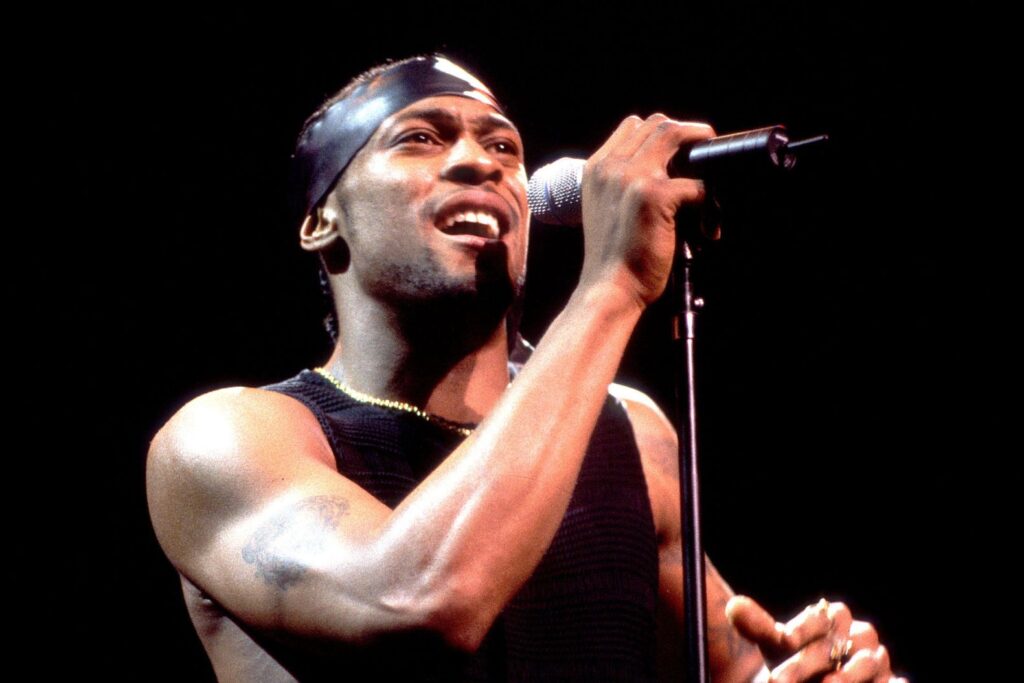
Michael Eugene Archer, better known as D’Angelo, has passed away at the age of 51, after a private battle with pancreatic cancer, his family confirmed in a statement.
In their statement, his family said: “The shining star of our family has dimmed his light for us in this life … After a prolonged and courageous battle with cancer, we are heartbroken to announce that Michael D’Angelo Archer, known to his fans around the world as D’Angelo, has been called home, departing this life today, October 14th, 2025.”
The statement continued, “We are saddened that he can only leave dear memories with his family, but we are eternally grateful for the legacy of extraordinarily moving music he leaves behind. We ask that you respect our privacy during this difficult time but invite you all to join us in mourning his passing while also celebrating the gift of song that he has left for the world.”

Born Feb. 11, 1974, in Richmond, Virginia, to a Pentecostal preacher father, D’Angelo showed musical aptitude early, reportedly playing piano by age three, participating in church services, and later performing with cousins in local groups. At 18, he moved to New York to pursue music, joined local ensembles (such as Three of a Kind), and eventually caught the attention of record labels.
D’Angelo’s 1995 debut album, Brown Sugar, helped define the emerging neo-soul movement by blending classic soul, jazz, funk and hip-hop sensibilities with raw vocal intimacy. Hits like “Lady,” “Cruisin’” and “Brown Sugar” earned critical acclaim and platinum sales.
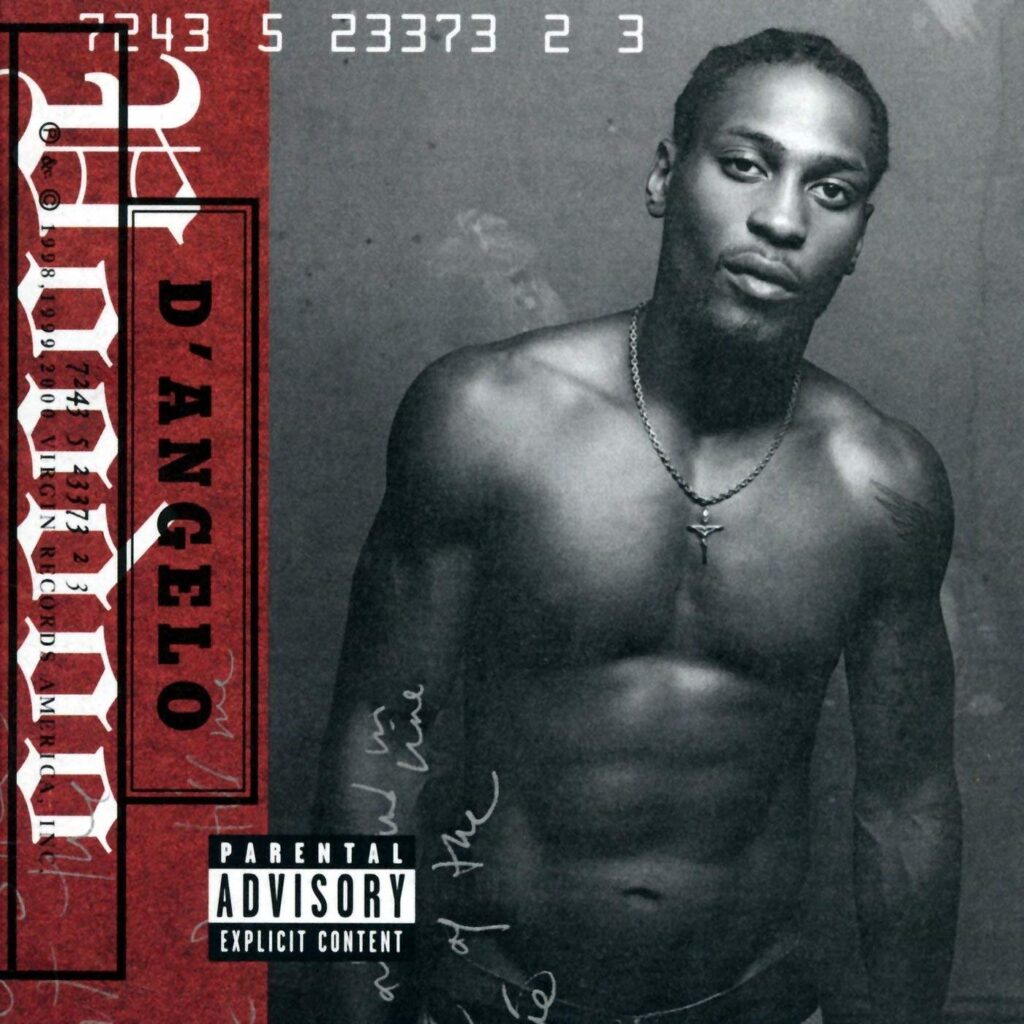
He followed up with Voodoo in 2000, which debuted at No. 1 on the Billboard 200 and won Grammy Awards, including Best R&B Album and Best Male R&B Vocal Performance for “Untitled (How Does It Feel).”
By the mid-2000s, D’Angelo had become a key architect of neo-soul, alongside contemporaries such as Erykah Badu, Maxwell, Lauryn Hill, Jill Scott and Angie Stone, whom he dated in the 1990s. His sound influenced later generations of R&B, neo-soul and alternative soul artists.
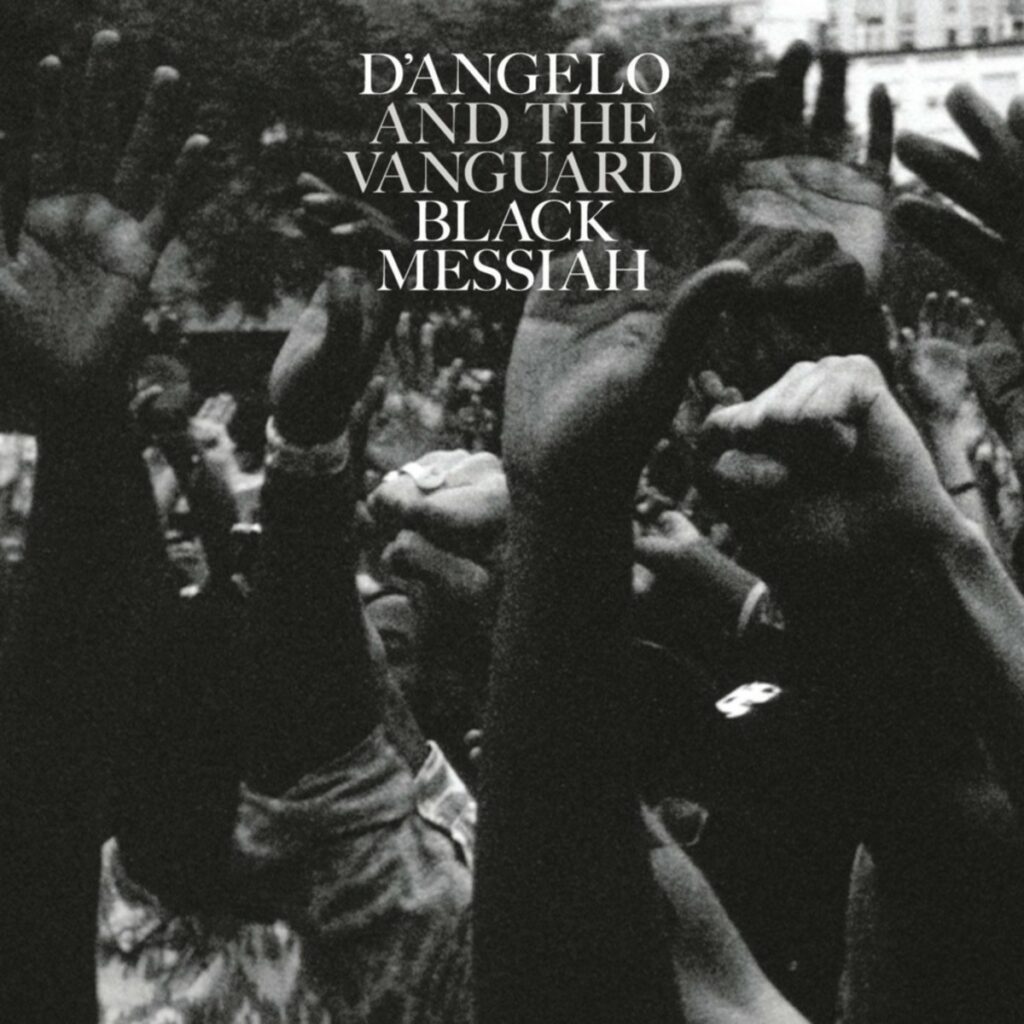
After Voodoo, D’Angelo largely retreated from the public eye, though he continued recording and performing quietly. In 2014, he returned with Black Messiah, with the Vanguard, an album laden with social commentary and rich, live instrumentation that garnered two Grammy Awards.
He maintained musical relationships with other neo-soul luminaries, sharing stages and songwriting credits with Raphael Saadiq, The Roots, Common, Questlove, J Dilla and others, and he inspired a cohort of younger artists who cited his voice, approach and integrity as a guiding light.
D’Angelo’s influence has defined the trajectory of neo-soul and, by extension, popular music over the past 25 years. His fusion of gospel, funk, and hip-hop on albums like Brown Sugar and Voodoo reintroduced depth, live instrumentation, and emotional authenticity to R&B.
The movement he helped pioneer paved the way for artists such as Alicia Keys, Frank Ocean, H.E.R., and Anderson .Paak to thrive in blending soul with modern production. Even decades later, D’Angelo’s sound remains a blueprint for artists striving to balance vulnerability, groove, and timeless musicianship.
D’Angelo is survived by his three children, including his son, Michael D’Angelo Archer Jr., from his relationship with fellow soul singer Angie Stone.
D’Angelo’s passing marks the end of a distinct creative force—a voice that shaped neo-soul not merely as a style but as a way to reclaim depth, musicianship and authenticity in modern R&B.
Revisit selections from D’Angelo’s catalog below.